Quick Answer: A one-piece canopy is formed from a single shaped shell, so there are no glued seams to age, crack, or leak — it installs in one drop onto the bed rails and ships fully assembled. A separate-panel canopy is built from a roof and side panels joined with adhesive, which packs smaller and ships cheaper but adds seam joints that can open as the adhesive ages, and it arrives as a kit you assemble yourself. If you keep the truck long-term or camp in it, one-piece is the safer construction. If freight cost dominates your decision and you accept the seam risk, separate-panel can work.
Every canopy listing shows you the outside: the colour, the windows, the door style. Almost none show you the construction method — which is a problem, because construction is where canopies silently fail. There are exactly two ways to build a metal canopy shell, and the difference decides whether your canopy leaks in year six and how much of your Saturday the installation consumes.
This guide explains both methods the way our factory floor sees them: what each step involves, where each one fails, and which one fits which buyer. No method is "bad" — but they are not interchangeable, and you should know which one you're paying for.
1. What "one-piece" actually means
In a one-piece canopy, the roof and the side walls are formed as a single shaped shell — pressed and folded from continuous sheet, then welded and finished as one body. There is no adhesive joint anywhere in the structure. The doors, windows and seal track are fitted to that shell afterwards.
Why it matters: a canopy leaks where water can sit against a joint. Remove the joints from the shell structure, and you remove most of the leak paths before the seal design even starts.
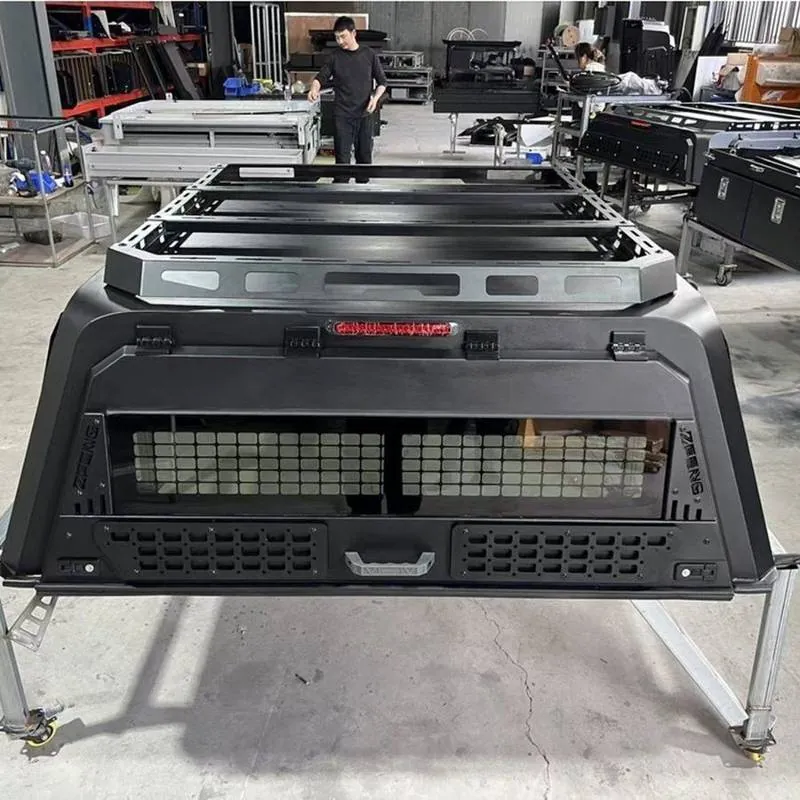
What to ask: "Is the shell one formed piece, or are the roof and sides joined after forming?" Any factory can answer this in one sentence — and the answer is the single most revealing spec a canopy buyer can get.
2. What "separate-panel" actually means
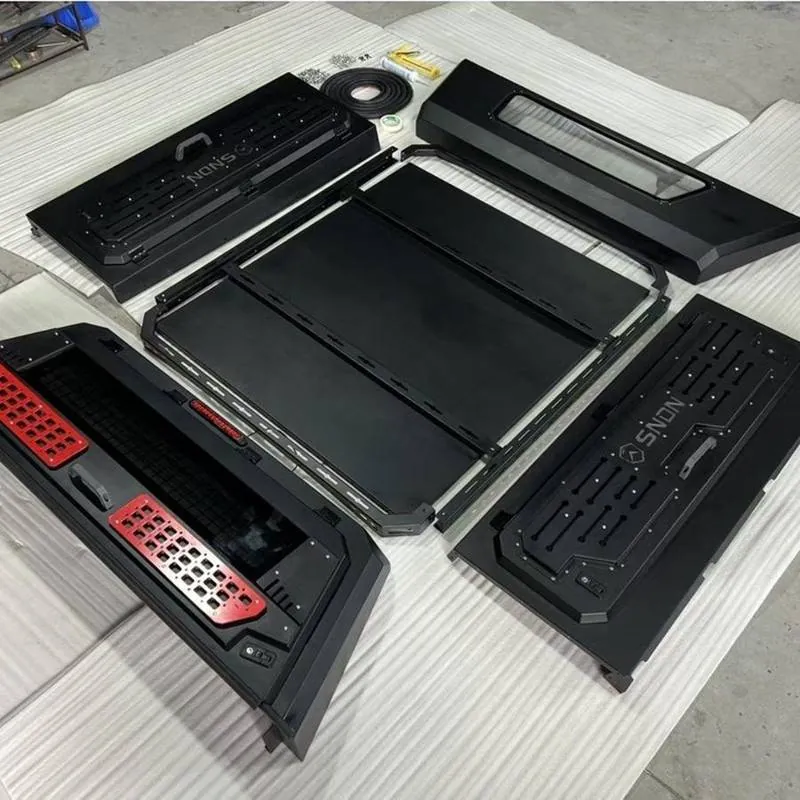
In a separate-panel canopy, the roof panel and each side panel are manufactured independently, then joined with structural adhesive and fasteners. This is common because it has two real commercial advantages:
- Packaging. Flat panels nest tightly; a separate-panel canopy ships in a much smaller crate, which matters on a container rate.
- Freight cost. Smaller crate, lower freight — on long routes this can be a meaningful percentage of the landed cost.
The trade-offs arrive later. The adhesive joints are the shell's weak line: as the adhesive ages through heat cycles and UV, joints can crack open, and that crack is a leak path that no seal strip can fix. And because it ships as panels, the canopy arrives as an assembly kit — the buyer or installer joins the roof to the sides and seals every joint on site.
3. The failure modes, compared honestly
| One-piece shell | Separate-panel shell | |
|---|---|---|
| Structural leak paths | None in the shell (only door/window seals) | Every roof-to-side joint |
| Long-term leak risk | Low — seals only, and seals are replaceable spares | Joint adhesive aging — seams can open over years of heat cycles and need re-sealing |
| Installation | Drop onto bed rails, clamp, connect wiring | On-site assembly of roof + panels + every joint seal |
| Tools/skill to install | Basic hand tools | Two people, an afternoon, and a clean dry space |
| Packaging / freight | Large crate, higher freight | Compact crate, lower freight |
| Repair after a dent | Panel repair on a formed shell is specialist work | Individual panel can be replaced separately |
4. Where separate-panel legitimately wins
We build one-piece shells, so here is the honest case for the other method. If your decision is driven by landed cost on a long shipping route, if you have a competent installer on site, and if you treat the canopy as a 3–5 year accessory rather than a decade-long one, the freight savings of a separate-panel canopy are real money and the seam risk may never materialize inside your ownership window.
If that profile doesn't match you — long-term ownership, camping use, wet climate — the seam joints are a liability you will own in year five, not the factory's.
5. How construction interacts with the rest of the build
Construction method isn't the whole weatherproofing story. Two more factory decisions matter just as much:
- Fitment. Even a one-piece shell leaks if the seal lands on an imperfect bed rail. Ours are cut from 3D scan data of your exact model and year — the seal sits the way the truck left the factory.
- Hardware finish. Hinges and latches rust before shells do. Ours are electroplated then powder-coated, and the seal strips are rated for a service life 5 years.
A one-piece shell with cheap hardware still rusts. A separate-panel shell with perfect joint work can serve well. Construction method is the first question, not the only one.
Decide in one line
- Keeping the truck 8+ years, camping, or live where it rains hard? Ask for one-piece.
- Short ownership, tight freight budget, installer on site? Separate-panel can be rational.
- Not sure which construction a quoted canopy uses? Ask before you pay — a factory that hesitates on this question is telling you something.
Equipment in this guide
Trigallop One-Piece Aluminium Canopy — single formed shell, aluminium alloy 2.0 / 2.5 / 3.0 mm (galvanized steel 1.5 mm optional); 150–500 kg static roof load by material and thickness (500 kg test on video); three-side gull-wing doors; electroplated + powder-coated hardware; seal strips with an estimated 5–6 year service life (theoretical estimate); 28-month warranty from the day you sign for delivery. From US$538 (canopy)
Trigallop Roof Rack — static 450 kg+ / dynamic 250 kg+; built to pair with our canopies for rooftop-tent setups. From US$538 (canopy)
Keep reading
- Do Truck Canopies Rust or Leak? (The Honest Answer)
- Truck Canopy vs Tonneau Cover: 7 Differences That Decide
- ★ Editor's pick: How We Test Static Roof Load: Behind the Scenes
Ready to talk business?
Tell us your truck model, year and bed length, and whether you prefer one-piece construction — we confirm fit from 3D scan data and quote factory-direct: EXW, FOB, DAP or DDP, door-to-door to most countries. [Get a quote] [See the product range]
FAQ_SPLIT## Frequently Asked Questions
Is a one-piece canopy stronger than a separate-panel one?
The structural difference that matters is not raw strength but leak paths: a one-piece shell has no adhesive joints to age and open. Both types meet the same static roof-load ratings in our range (150–500 kg by material and thickness).
Can I tell from a product photo which construction a canopy uses?
Sometimes — look for a visible seam line where the roof meets the sides. But the reliable method is to ask the factory directly. It is a one-sentence answer and any manufacturer knows it.
Does one-piece construction cost more?
It usually costs more to ship, because the assembled shell fills a larger crate. The shell itself is not automatically more expensive to build — the cost difference moves with freight distance, which is why separate-panel designs exist.
What happens if a one-piece shell gets dented?
A formed shell is repaired as one piece, which is specialist work — similar to body repair on a vehicle. A separate-panel design lets you replace one flat panel. This is a genuine repairability advantage of the separate-panel method.
Sources & References
No external data cited — the construction comparison reflects our factory's own production experience (one-piece formed shells vs adhesive-joined panels), and every company figure in this article (150–500 kg static roof load, 5-year seal life, 28-month warranty, material options, hardware finish) comes from internal test records and our fact ledger, available on request.
Written by Trigallop Engineering Team · Reviewed by Ryan Gui · Updated 2026-10
Sources & References
No external data cited — the construction comparison reflects our factory's own production experience (one-piece formed shells vs adhesive-joined panels), and every company figure in this article (150–500 kg static roof load, 5-year seal life, 28-month warranty, material options, hardware finish) comes from internal test records and our fact ledger, available on request.